
Venice: Beyond the Guidebooks
There is a moment in every trip when a place stops being somewhere you’ve researched and starts becoming somewhere you’ve experienced. For me, in Venice, that moment arrived with a basket of bread.
Not a gondola gliding beneath the Rialto Bridge. Not my first glimpse of St. Mark’s Basilica. Not even that first cinematic walk alongside the canals makes you wonder whether the city has somehow been painted rather than built.
It was bread.
A perfectly ordinary basket of bread that I didn’t eat and was charged for anyway.
I remember staring at the bill, slightly confused, mentally retracing everything I’d ordered. Surely there had been some mistake. I’d had the pasta. I’d had the wine. But the bread? The bread had sat untouched at the edge of the table for the entire meal.
The waiter explained coperto with the patience of a man who had likely delivered the same explanation thousands of times before. In Italy, you’re not paying for the bread itself. You’re paying for the table, the service, and the experience of sitting there. The bread simply comes with it.
By the time I left the restaurant, I’d learned two things.
Firstly, if you’re paying for the bread, you might as well eat the bread.
Secondly, Venice is a city governed by hundreds of tiny rules that nobody tells you about.
Not rules in the strict sense. More like rhythms. Ways of doing things. Unwritten understandings between the city and the people who know it well. And the longer I spent there, the more I realised that understanding those rhythms mattered far more than ticking attractions off a list.
Before I arrived, I thought Venice would be a city of landmarks.
Like most people, I’d spent years absorbing fragments of it through films, travel programmes, Instagram posts and guidebooks. Venice existed in my imagination as a collection of famous images: gondolas, bridges, masked carnivals and impossibly beautiful buildings rising directly from the water.
What nobody prepares you for is how ordinary Venice feels once you step beyond those images.
Not ordinary in a disappointing way. Ordinary in the most wonderful sense.
Because beneath all the grandeur and history, Venice is still a city where people live. People carry shopping home across bridges.
Children race through quiet, albeit small and sparse, green spaces. Neighbours lean out of windows to talk to each other or to pull up a basket of groceries that have just been delivered. Laundry hangs between buildings that tourists photograph a hundred times a day without noticing the washing fluttering above them.
The city becomes infinitely more interesting when you start paying attention to those details.
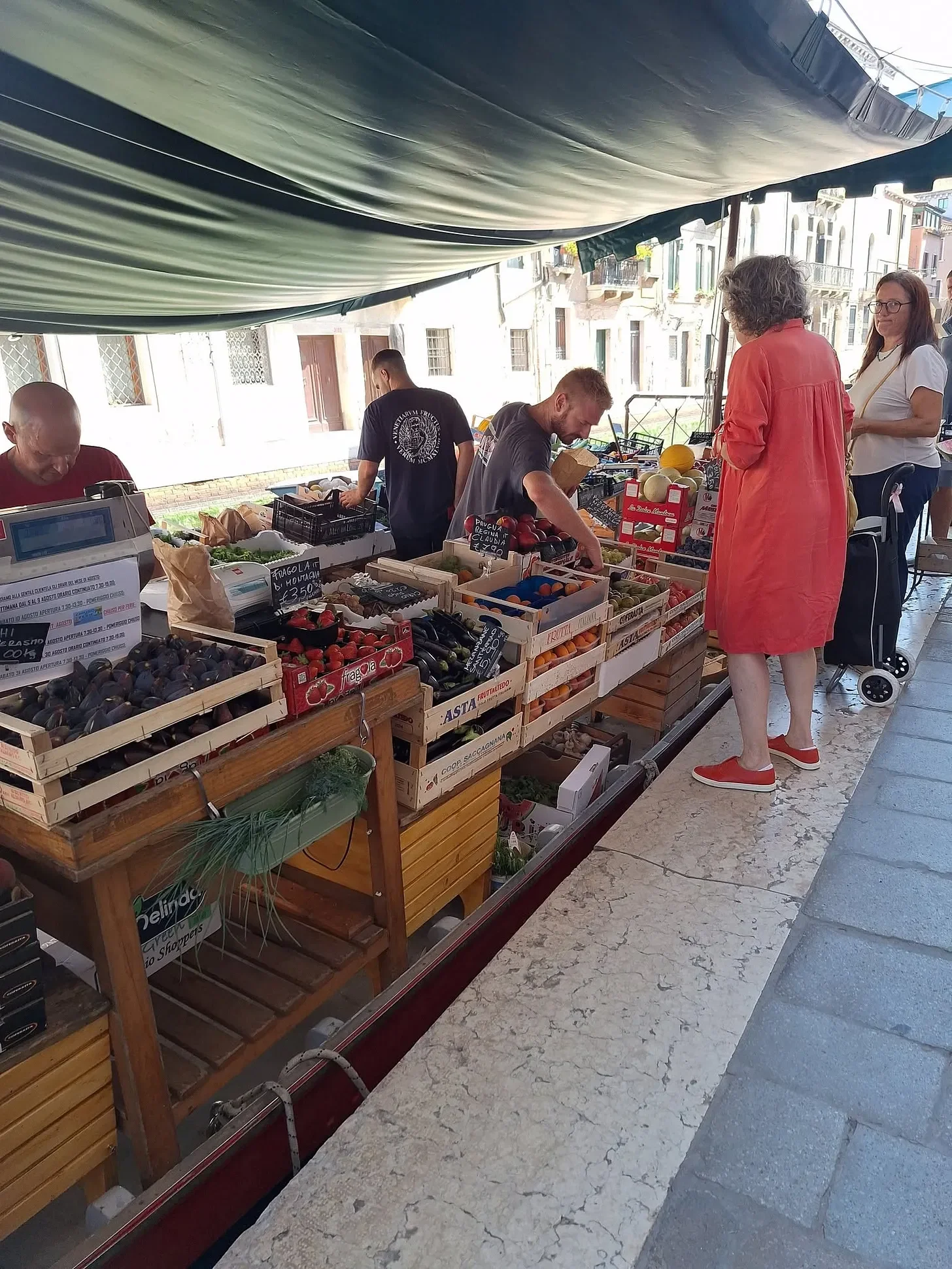
One afternoon, after spending the morning weaving through crowds around St. Mark’s Square, I wandered north towards Cannaregio without any particular destination in mind. The crowds thinned almost immediately. The souvenir shops gave way to grocery stores and neighbourhood cafés. Elderly Venetians sat outside bars nursing tiny coffees while delivery boats drifted through canals carrying everything from vegetables to furniture.
It felt like I’d crossed an invisible border.
The Venice in the guidebooks was still there. I wasn’t looking at it anymore.
That’s the thing nobody tells you about Venice: the city rewards curiosity far more generously than it rewards planning.
Some of my favourite moments happened entirely by accident. A wrong turn that led to a tiny wine bar hidden down an alleyway. An hour spent watching workers unload deliveries from boats because I suddenly realised how fascinating it was that an entire city functions without roads. A quiet canal where the only sound was water lapping against centuries-old stone.
Even now, months later, I remember those moments more vividly than some of the attractions I deliberately travelled there to see. Perhaps that’s why I found myself becoming increasingly resistant to spending money simply because I was expected to.
Venice has developed a reputation for being expensive, and certainly it can be. You can spend fifteen euros on a spritz if you’re determined enough.
What fascinated me, though, was how often the most memorable experiences were also the cheapest. Every evening, crowds gathered in restaurants overlooking famous squares, paying premium prices for the privilege of sitting in locations they’d seen online. Meanwhile, some of the best evenings I had involved a takeaway drink, a bridge overlooking a canal and absolutely no plans whatsoever.
I developed a habit of buying a spritz from smaller local bars and finding somewhere to sit and watch the city unfold around me. Boats drifted underneath. Street musicians appeared and disappeared. The sky softened from gold to pink to deep blue.
Nothing happened. And yet somehow everything happened. Those were the moments when Venice felt most alive. Not when I was looking at it, but when I was part of it.
The same was true of food. I arrived expecting memorable meals and left remembering snacks, more specifically, cicchetti.
Tiny bites are displayed behind glass counters in bacari across the city. Little pieces of bread topped with seafood, cured meats, vegetables, cheeses, and combinations that seemed to change depending on where you were standing. The beauty of cicchetti isn’t just that they’re delicious. It’s that they encourage a different way of travelling.
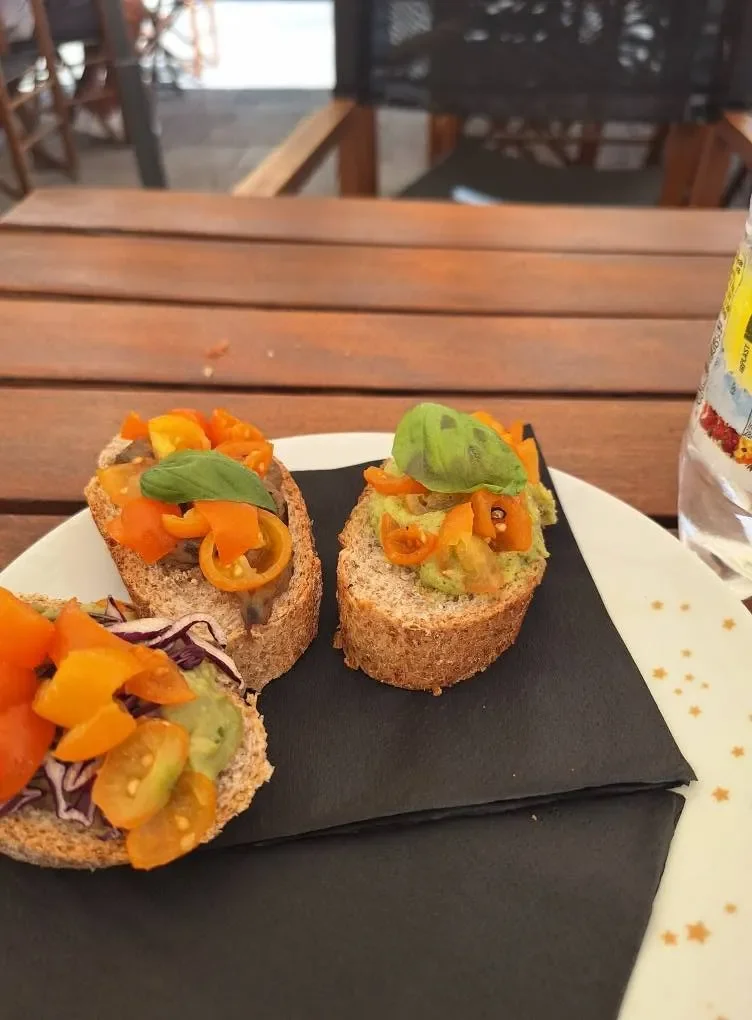
Rather than booking a table and committing to an entire evening in one place, you drift. One glass of wine here. Two cicchetti there. A recommendation from a local that leads somewhere else entirely.
The evening unfolds naturally. There’s a freedom to it that feels perfectly suited to Venice. After all, this is a city built for wandering.
The streets twist unexpectedly. Dead ends appear without warning. Bridges lead to places you never intended to visit. Even with Google Maps in your hand, there are moments when the city seems determined to guide you somewhere else.
At first, I resisted that. Then I started trusting it. Somewhere along the way, I stopped trying to see Venice efficiently, and that’s when I finally started seeing Venice at all.
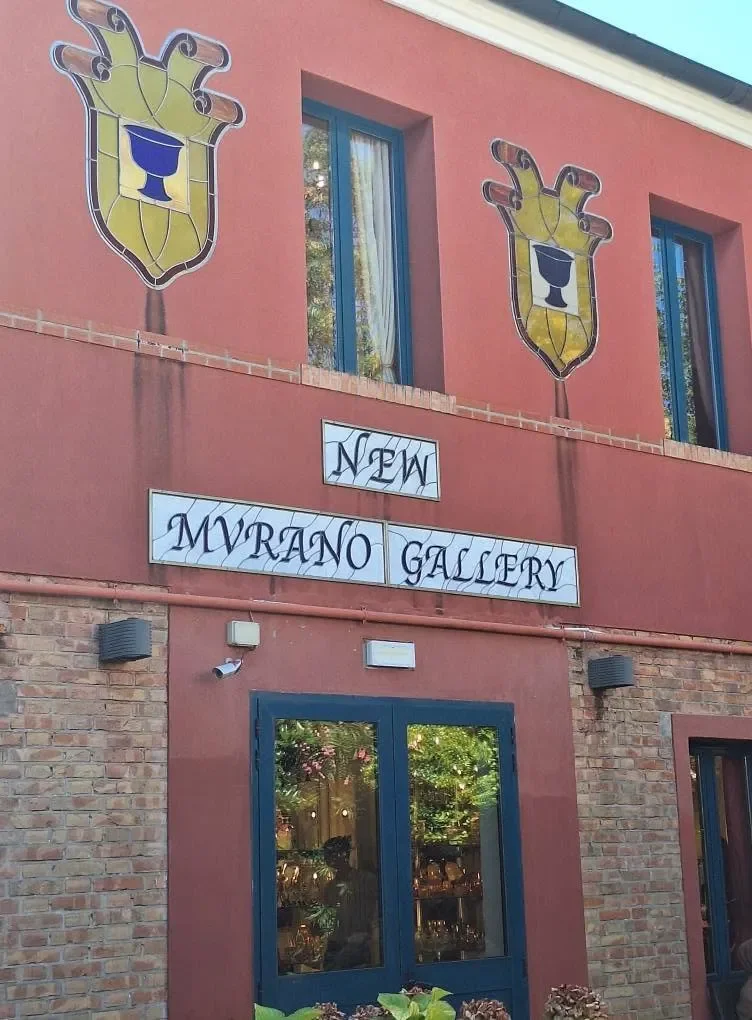
Take Murano as a prime example. Every guidebook will tell you to visit for the glassblowing demonstrations, and they’re right. Watching artisans shape molten glass into intricate works of art remains one of the most impressive things I’ve ever seen.
But what interested me more was the conversation afterwards. The quiet discussions with shop owners in broken Italian. The reality that some of the same certified Murano glass could be purchased back on the Venice mainland for significantly less. The subtle difference between what tourists are told and what locals know..
Travel often lives in those gaps. The space between expectation and reality. The distance between the official version and the lived one.
I found the same thing in Burano, where colourful houses lined the canals exactly as promised, yet somehow the island felt calmer, slower and more human than I’d imagined. People weren’t posing for photographs every few feet. They were watering plants. Walking dogs and hanging washing. Actually living there.
And perhaps that’s what Venice taught me more than anything else.
Travel becomes richer when we stop treating places as attractions and start treating them as communities. The landmarks matter, of course they do. See St. Mark’s Basilica. Walk across the Rialto Bridge. Take the gondola ride if you’ve always dreamed of it.
But leave space for the city beyond the postcard. Leave space to get lost. Leave space for conversations that weren’t planned. Leave space for the tiny wine bar you’ll never remember the name of and the bridge where you sat drinking a five-euro spritz while the sun disappeared behind the rooftops.
Because long after you’ve forgotten the opening hours of a museum or the queue you stood in for a photograph, those are the things that remain.
At least, they’re the things that remained for me. Not Venice the destination, but Venice the experience, which, in truth, are rarely the same thing.
